Beaujolais Nouveau 2026 & Thanksgiving: How the Solar Vintage Changes Your Menu
A Sneak Peek into French Gourmet Expertise — Made Approachable
ToggleHi there, friends!
I honestly used to tell myself that I wouldn’t bother you with Beaujolais Nouveau. We are a long way from the days when these bottles flooded every corner of the globe on the traditional third Thursday of November. Today, some industry insiders, especially here in the US, don’t even want to hear the name mentioned anymore. Fortunately, a dedicated group of winemakers has stayed true to the original spirit, finally prioritizing genuine quality over a passing marketing fad.
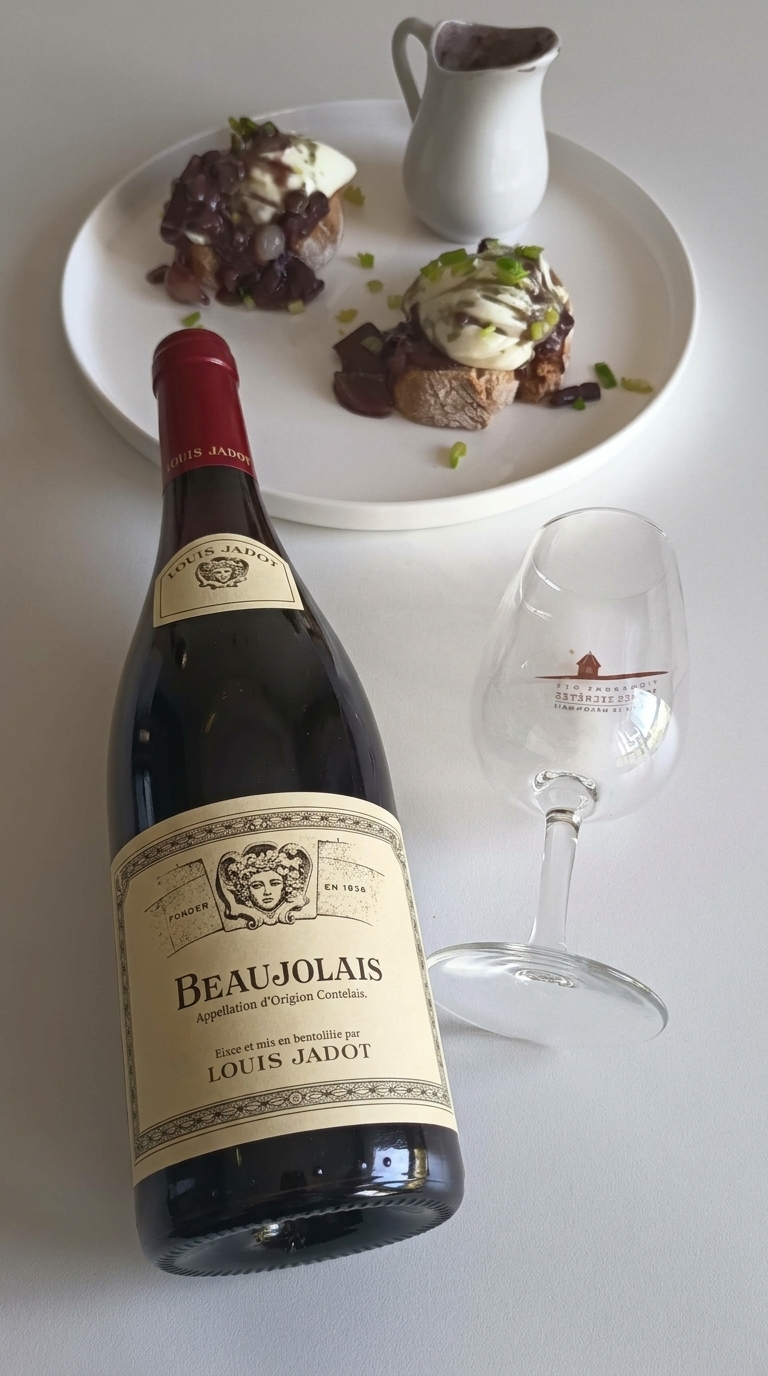
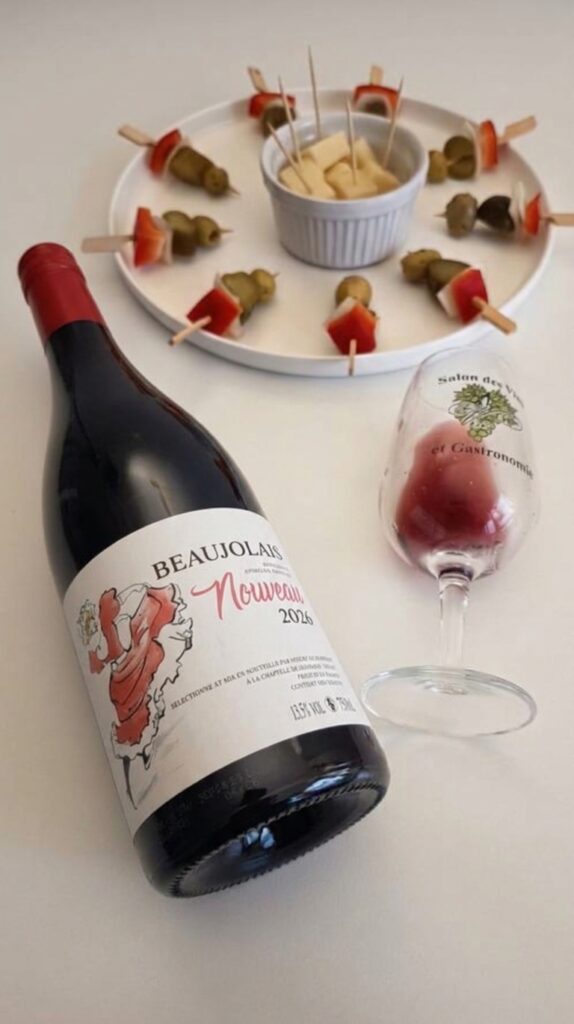
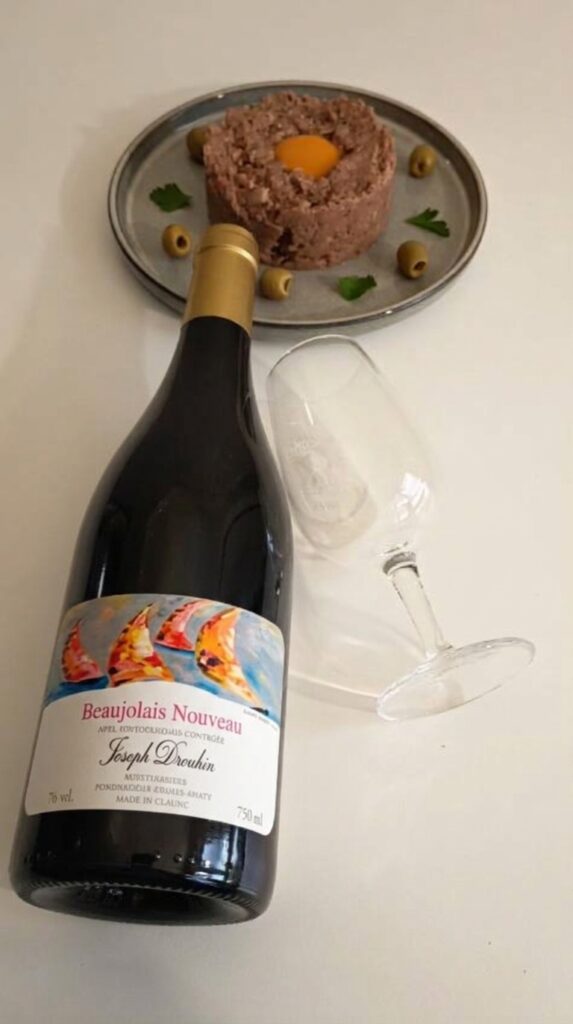
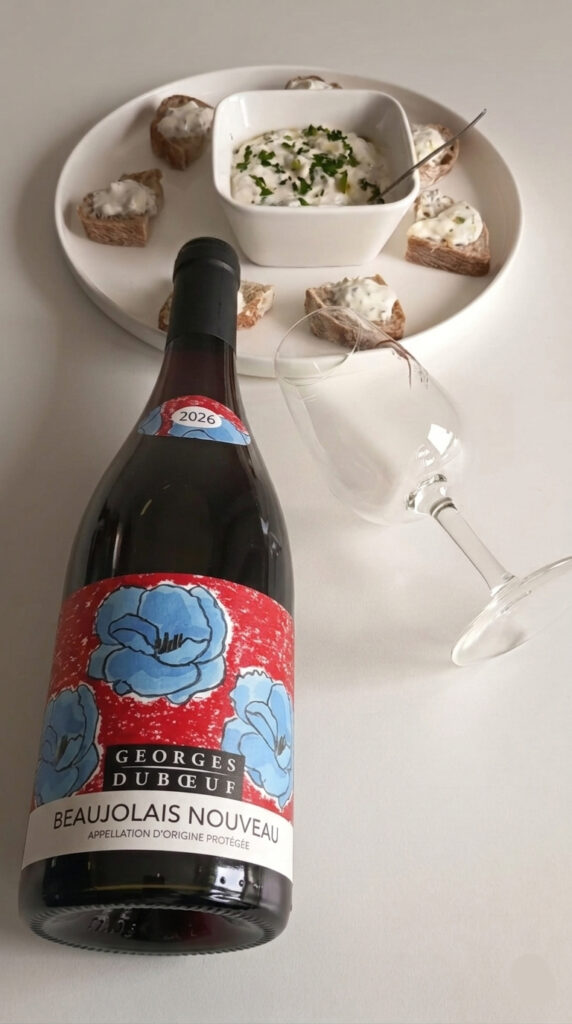
Why a Master Sommelier Made Me Rethink Beaujolais Nouveau

For my part, Beaujolais Nouveau represents two pivotal years of my life. It gave me the incredible opportunity to host tastings alongside Jean-Claude Jambon, who is none other than the 1986 World’s Best Sommelier. That same year, 1986, also happens to be the year my brother was born.
Because of this personal timeline and the passionate people involved, Beaujolais Nouveau remains a magical occasion for me. Above all, it is a rare chance to get a sneak peek at the personality and characteristics of the new vintage in Beaujolais before anyone else. Every year, these vignerons tailor their craft to bring out the best from grapes shaped by either rain or sunshine. Depending on the weather, the winemaking shifts, and the charm of these friendly, convivial wines changes completely.
Rainy vs. Solar Vintages: The Secret to Pairing Beaujolais
To get the most out of your bottle on release day, you don’t need complicated wine jargon. You just need to know what kind of weather the vines experienced.
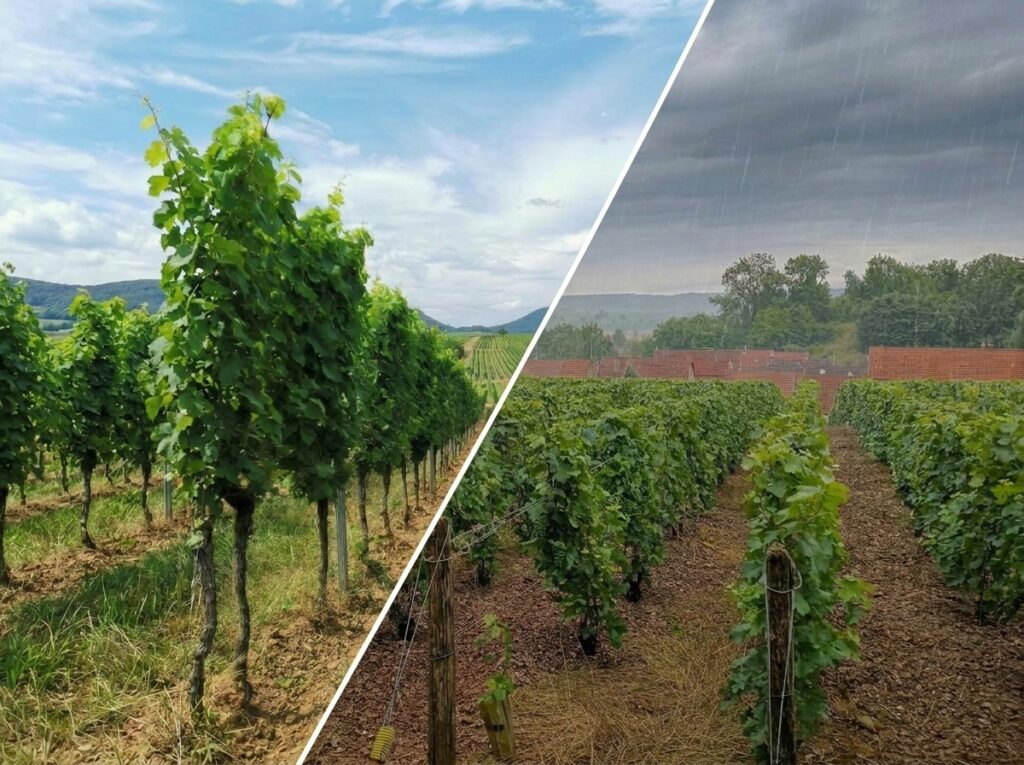
Rainy Years: Crisp, Crunchy, and Built for Sides & Sushi
In vintages with heavy rainfall, the grapes naturally develop less sugar and higher acidity. Put simply: the wines are zesty and mouthwatering. They offer bright aromatic freshness packed with notes of wild berries. The kind you find on a walk in the woods between late spring and early summer. Strawberries and raspberries bring a lively tartness, while blackcurrant and blackberry add a touch of gentle sweetness.
Following local tradition, the whole grapes undergo a brief maceration in the cellar under a blanket of CO2 before fermentation. In a rainy year, this method layers crisp, nostalgic candy notes: like classic British boiled sweets or Harlequin candies, onto that fresh berry core.
Solar Years: Lush, Velvety, and Made for Rich Sauces
Other vintages soak up intense sunshine. In these years, the vines produce grapes with higher sugar levels and thicker skins, resulting in a deeper, more concentrated color in the glass. As one winemaker put it to me using a wonderful metaphor: in a sunny year, the fruit goes from fresh to stewed, almost like a compote. Some wineries even talk about body-builded wines.
The sharp freshness takes a back seat, and the wine becomes lush, round, and velvety, trading high acidity for sheer generosity. That traditional carbonic maceration still works its magic, but instead of tangy sweets, the aroma profile leans toward ripe banana and candied fruit.
What to Expect in Your Glass for the Beaujolais Nouveau 2026 Vintage
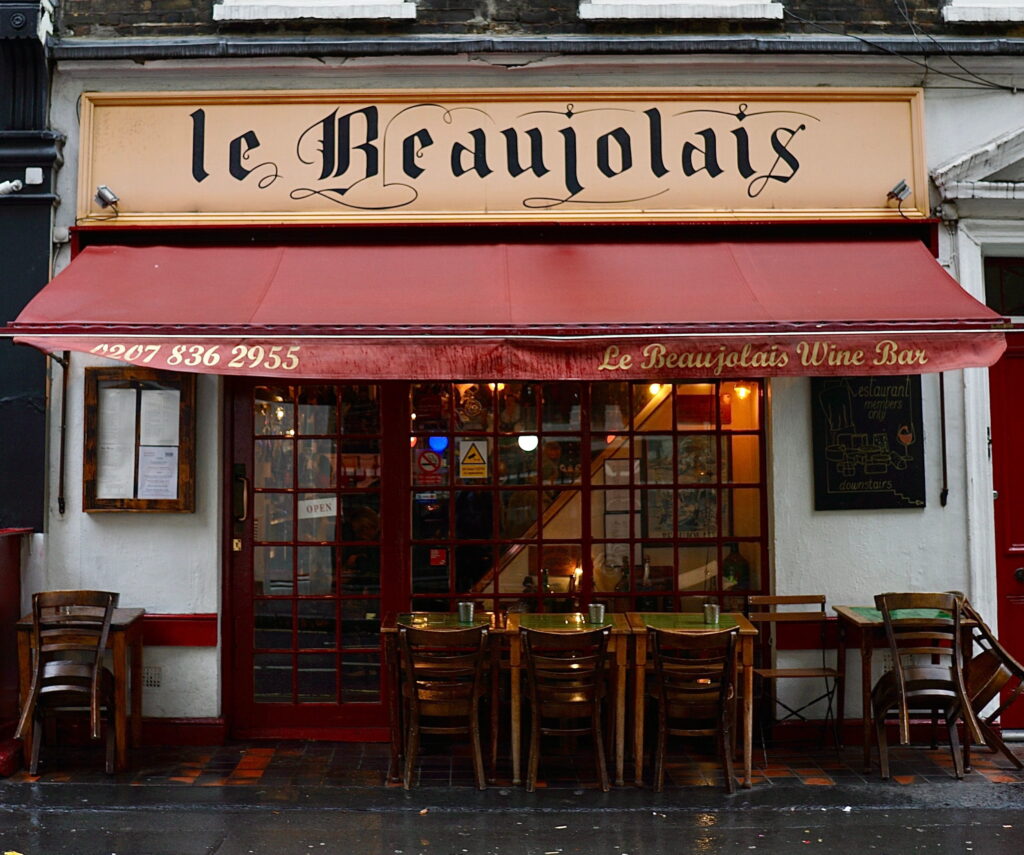
The 2026 vintage is decidedly solar, delivering concentrated aromas and a fruit profile that is as smooth as it is captivating. Expect a deep, vibrant ruby color in the glass and indulgent candy notes that, in some bottles, will remind you of ripe banana or classic French strawberry sweets (Fraise Tagada).
The main challenge for winemakers in crafting Beaujolais Nouveau 2026 wines was preserving lightness and freshness without letting alcohol levels climb too high or letting the sweet aromas become overwhelming. When they hit that sweet spot, the result is tailor-made for white meats in rich sauces: especially your Thanksgiving turkey with its gravy and roasted vegetables.
With its plush, fruity flavors and fuller body compared to a rainy year, this vintage is a true crowd-pleaser as an outstanding Beaujolais Nouveau 2026. While some regional purists and trade professionals often gravitate toward the razor-sharp, crunchy energy of cooler vintages, this 2026 release is built for pure, immediate enjoyment at the dinner table.
Your 2026 Thanksgiving & Hosting Pairing Playbook
I’ve closely followed two benchmark vintages that perfectly illustrate these two personalities: 2015 (muscular, captivating, and lush) and 2016 (finer, livelier, and feather-light). My verdict is clear: enjoy both styles, but adapt your charcuterie boards and holiday menus to the weather of the vintage. Nothing beats asking your local wine merchant, or a wine-obsessed friend, to confirm the vintage profile. Over the past decade, the Beaujolais motto has been « make less, make it better, » and your local wine shop is where you’ll find the most sincere, artisanal expressions of that effort.
Foodie Tasting Newsletter
French Wine Tasting & Pairing Tips Twice-Monthly
Thank you!
You have successfully joined our subscriber list.
How to Pair a Solar Vintage (Your 2026 Game Plan)
Because this Beaujolais Nouveau 2026 is a solar vintage, your bottle will have a slightly broader structure and a silky, enveloping texture. Here is how to build your table around it:
The Thanksgiving Main Event:
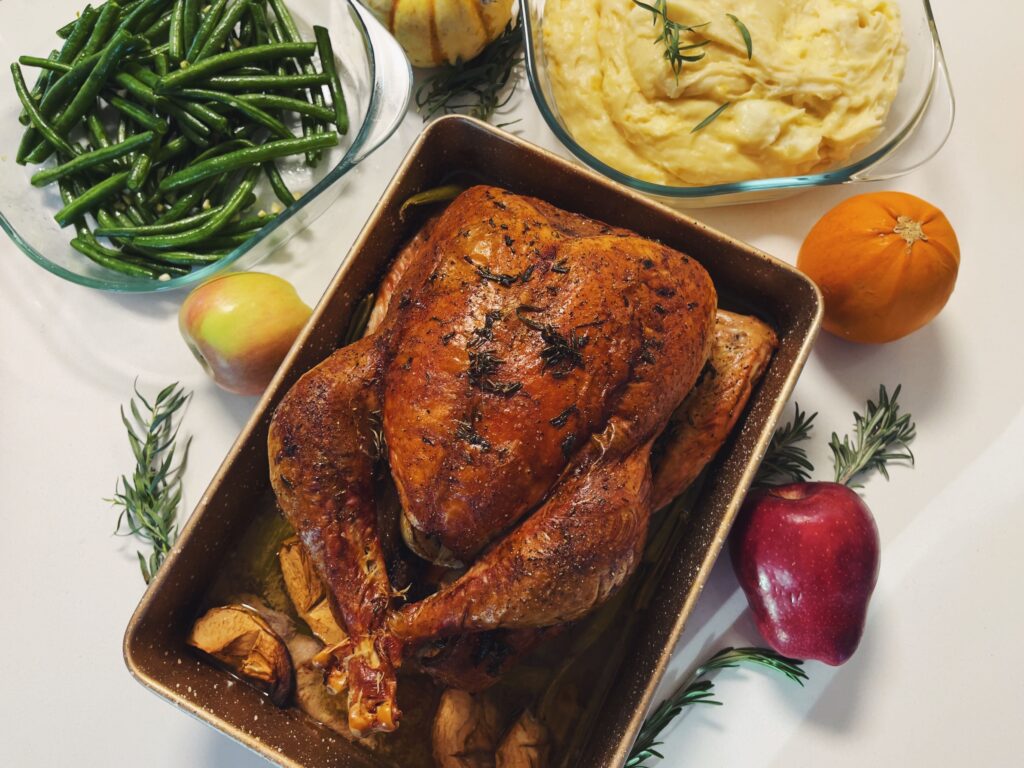
While a rainy vintage shines alongside the vegetable side dishes, a sunny vintage like 2026 puts the spotlight squarely on the juicy meat of the roasted turkey and its rich gravy. If you’re putting extra love into your bird’s roasting and pan sauce, a sun-drenched Beaujolais Nouveau will match that richness without overpowering it. It works just as brilliantly for a classic Sunday roast with a reduced, concentrated meat jus.
Upgraded Charcuterie Boards:
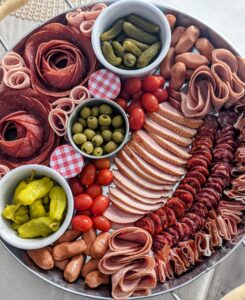
Load your grazing board with dried fruits and roasted nuts. Leave plenty of room for smoked or dry-cured hams, artisanal sausages (saucisson), and classic French jambon blanc. The wine’s silky texture wraps around the richness of the cured meats without any harsh tannins, leaving a deliciously ripe fruit finish. Country-style terrines and pâtés de campagne are also a match made in heaven.
Bold, Crunchy & Spiced Bites:
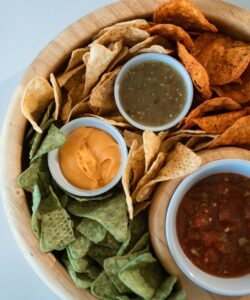
These fuller-bodied wines stand up effortlessly to snacks that bring both crunch and heat. Think tortilla chips loaded with fresh guacamole, a zesty green salsa, or a mild curry dip. For dinner, traditional Mexican tacos or spiced chicken dishes are an absolute revelation alongside a solar Beaujolais.
Quick Note: What If You’re Opening a Rainy Vintage?
If you ever come across a cooler, rain-kissed vintage (or a producer who intentionally vinified his Beaujolais Nouveau 2026 cuvée for maximum zip), pivot your menu. That crisp acidity cuts right through fat and highlights saltiness. It’s the ultimate excuse to serve a red wine with sushi and cooked fish, load your board with creamy cheeses, or keep things ultra-casual with crispy chicken nuggets, wings, or Ritz crackers dipped in creamy or cheesy sauces, barbecue sauce, or even ketchup. On Thanksgiving, that lighter style lets your cranberry sauce, stuffing, and side dishes steal the show.
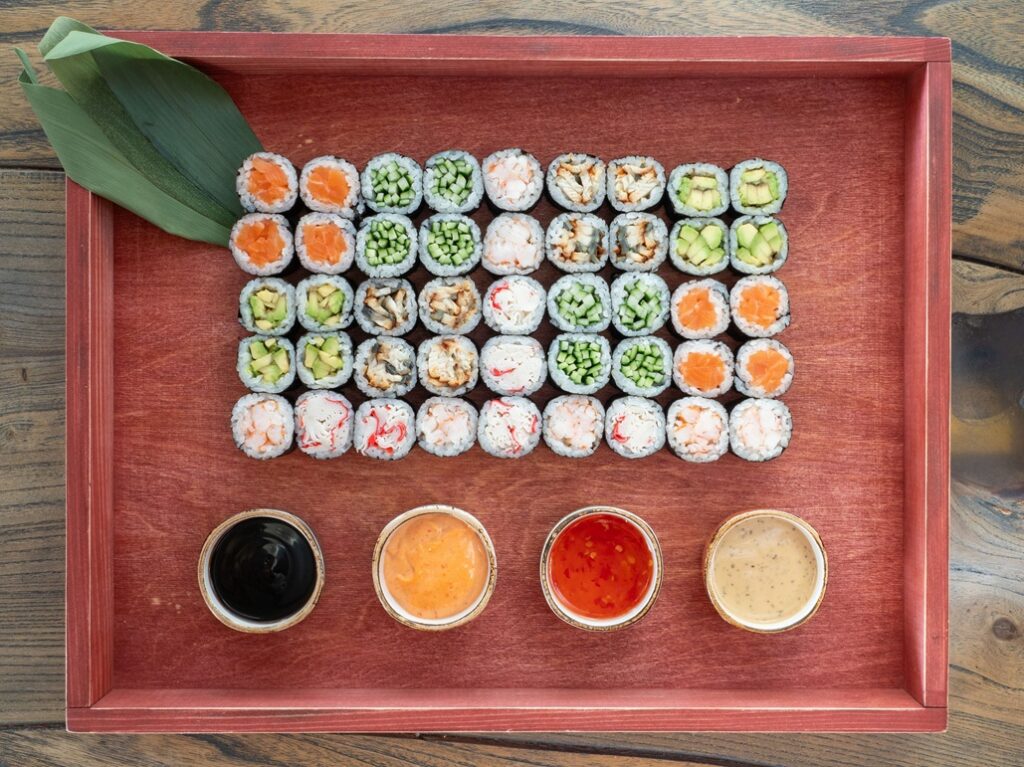
Beyond Thursday: How to Serve Your Beaujolais Nouveau 2026 Like a Local
No matter what’s on your menu this November, remember the golden rule of Beaujolais Nouveau: don’t overthink it. Give your 2026 bottle 20 to 30 minutes in the fridge before pulling the cork: serving it slightly chilled (around 55°F / 13°C) keeps that solar fruit vibrant and refreshing. Skip the decanter, grab your favorite everyday glasses, and share it with good company.
6 Common Mistakes to Avoid on Beaujolais Nouveau Night (and Thanksgiving)
When you’re busy hosting friends or managing a Thanksgiving oven, little details can completely change how this wine tastes in the glass. Here is how to make sure your Beaujolais Nouveau 2026 bottles shine:
1. Serving it at "American Room Temperature"
Between the central heating and an oven running at 375°F for the turkey, your dining room is much warmer than a French cellar. In a solar vintage like 2026, serving Beaujolais Nouveau too warm will make the fruit feel heavy and mute its refreshing lift. The fix: Stick to the 20-to-30-minute fridge rule right before serving. If the bottle warms up on the table, don’t hesitate to pop it back in the fridge for 10 minutes between pours.
2. Pouring it into a Decanter
When hosting a special dinner, it’s tempting to decant your red wine to « let it breathe. » With Beaujolais Nouveau, decanting is actually counterproductive. That signature carbonic maceration creates delicate, volatile fruit aromas that jump out of the glass the moment you pull the cork. The fix: Skip the decanter entirely. Open the bottle right at the table and enjoy that immediate burst of fresh fruit with your guests.
3. Confusing "Fruity" with "Sweet" when Planning Your Menu
Because the Beaujolais Nouveau 2026 vintage boasts lush aromas of ripe berries and French strawberry candy, first-time tasters often assume the wine will taste sugary on the palate. It won’t, as it is still a completely dry red wine! The fix: Don’t save it for dessert. Pair that velvety fruit profile with savory, rich dishes like roasted turkey, pan gravy, or salty charcuterie where the contrast truly sings.
4. Using Oversized Cabernet Glasses
Huge, wide-bowled glasses designed for heavy Napa Cabernets let the lively aromas of Gamay escape too quickly and warm the wine up in your hand. The fix: Keep it simple and stress-free. Use standard, medium-sized everyday wine glasses (or even a classic stemless glass for a casual grazing board night).
5. Saving a Bottle "For a Special Occasion" Next Year
You bought three bottles for Thanksgiving, only opened two, and feel tempted to tuck the last one away in your wine rack for next Christmas. The fix: Beaujolais Nouveau is a snapshot of harvest joy: it isn’t built to age. Drink your Beaujolais Nouveau 2026 bottles between release day in November and early spring 2027, while the fruit is still vibrant and full of life.
6. Judging the Whole Tradition by a Bottom-Shelf Supermarket Bottle
In the past, the race to ship bottles across the Atlantic led to mass-produced wines that gave Beaujolais Nouveau a bad reputation in the US. The fix: Treat yourself and your guests to a bottle from a dedicated artisan grower or a reputable wine house. For just a few dollars more, the difference in silkiness and pure fruit expression in 2026 is night and day.
Ready to pick the exact bottle that matches your taste? Check out my guide to the best Beaujolais Nouveau 2026 releases. Get a sight of the iconic wine houses you can easily order online with my favorite under-the-radar grower estates.
Your French Wine Concierge in Your Inbox
Take your table to the next level. No jargon, no snobbery : just flavor and confidence.
- Hand-picked French bottles available in the U.S
- Effortless restaurant-level recipes and pairings
- Simple ideas for memorable emotions
Welcome In this French Wine & Food Notes Mailing
Thanks for joining the Foodie Tasting Community
I’d like to receive newsletters & inspiration
No Spam. You can unsubscribe anytime.
Frequently Asked Questions (FAQ): Hosting with Beaujolais Nouveau 2026
1. When exactly does Beaujolais Nouveau 2026 come out, and will it be on time for Thanksgiving?
Yes, the timing is always effortless for Thanksgiving hosts! By French law, Beaujolais Nouveau is released every year on the third Thursday of November. In 2026, release day falls on Thursday, November 19, giving you exactly one full week to pick up your bottles, taste a preview over the weekend, and set the rest aside for Thanksgiving on November 26.
2. My guests usually only drink Pinot Noir or bold California reds. Will they enjoy the Beaujolais Nouveau 2026 vintage?
2026 is actually the best possible year to introduce your friends to Beaujolais Nouveau. While rainy vintages can sometimes feel too tart for guests used to California sunshine, this solar 2026 vintage offers a rounder, velvety texture and generous dark-red fruit. Pinot Noir lovers will immediately connect with its silky mouthfeel, while Cabernet drinkers will appreciate its vibrant concentration alongside the turkey.
3. Does the "candy and banana" aroma profile mean this wine is artificial or flavored?
Not at all, and it remains one of the coolest conversation starters you can share around the table! Those nostalgic notes of ripe banana and strawberry sweets come 100% naturally from carbonic maceration (fermenting whole, uncrushed grape clusters in a sealed tank). No flavorings or sugars are ever added. It is simply the natural magic of the Gamay grape fermenting from the inside out.
4. How many bottles should I plan for my tasting party or Thanksgiving dinner?
Because Beaujolais Nouveau is low in tannins and served slightly chilled, it is famously easy to drink (what the French affectionately call a vin de soif or « thirst-quenching wine »). A good rule of thumb is one bottle for every two to three guests if you are only serving it during the meal, or one bottle per two guests if you plan to pour it from the charcuterie appetizers all the way through the main course.
5. What should I do with an opened bottle the day after the party?
If you happen to have half a bottle left over at the end of the night, cork it tightly and put it straight into the refrigerator. Unlike heavy, tannic reds that can turn harsh overnight, a chilled Beaujolais Nouveau holds its fruit beautifully for 2 to 3 days. In fact, it is the ultimate pairing for Friday’s leftover Thanksgiving turkey sandwiches!
6. If my local shop is sold out of Beaujolais Nouveau, what should I ask for instead?
Because wineries are producing smaller, higher-quality batches today, the best bottles can sell out fast in late November. If you miss out, simply ask your wine merchant for a Beaujolais-Villages or a Cru du Beaujolais (such as Fleurie, Brouilly, or Morgon). Made from the exact same Gamay grape with a bit more depth and structure, they will follow the same pairing playbook at your holiday table.