Beaujolais Wines: The French Region That Makes Wine Simple Again
A Sneak Peek into French Gourmet Expertise — Made Approachable
ToggleSummary, in this guide, we’ll explore:
Why Beaujolais wines are so approachable
How the Gamay grape shapes their unique personality
The different crus of the region
Two outstanding bottles worth discovering
Two classic French recipes that pair perfectly with Beaujolais wines
By the end, you may discover that one of France’s simplest wine regions is also one of its most rewarding.
Foodie Tasting Newsletter
French Wine Tasting & Pairing Tips Twice-Monthly
Thank you!
You have successfully joined our subscriber list.
Why Beaujolais Might Be the Most Joyful Wine Region in France
Wine often has a reputation for being complicated.
Between complex classifications, detailed tasting notes, and endless discussions about terroir, many people feel that enjoying wine requires a certain level of expertise. The vocabulary alone can feel intimidating.
But wine was never meant to be complicated.
At its heart, wine is simply meant to be opened, shared, and enjoyed around a table.
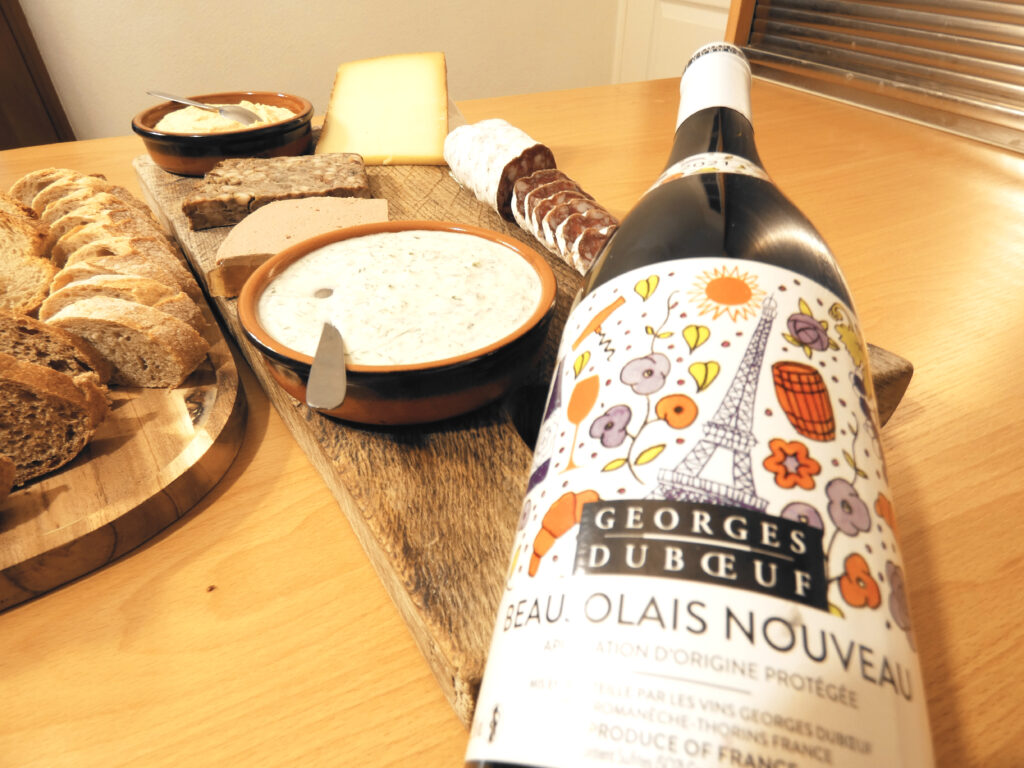
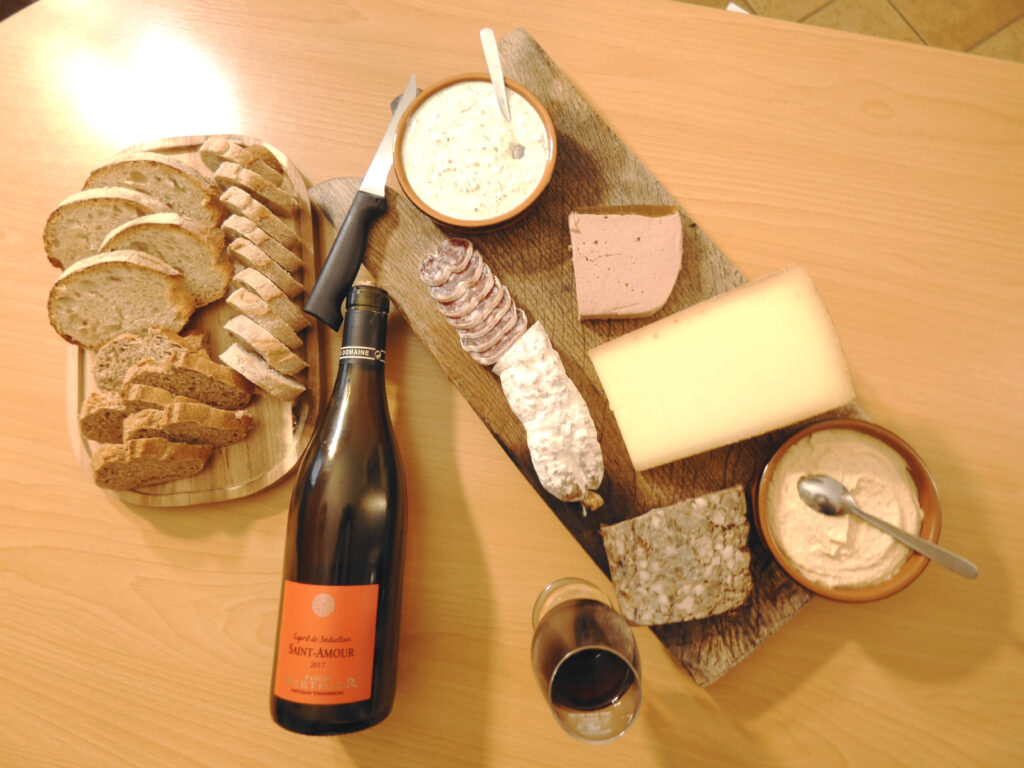
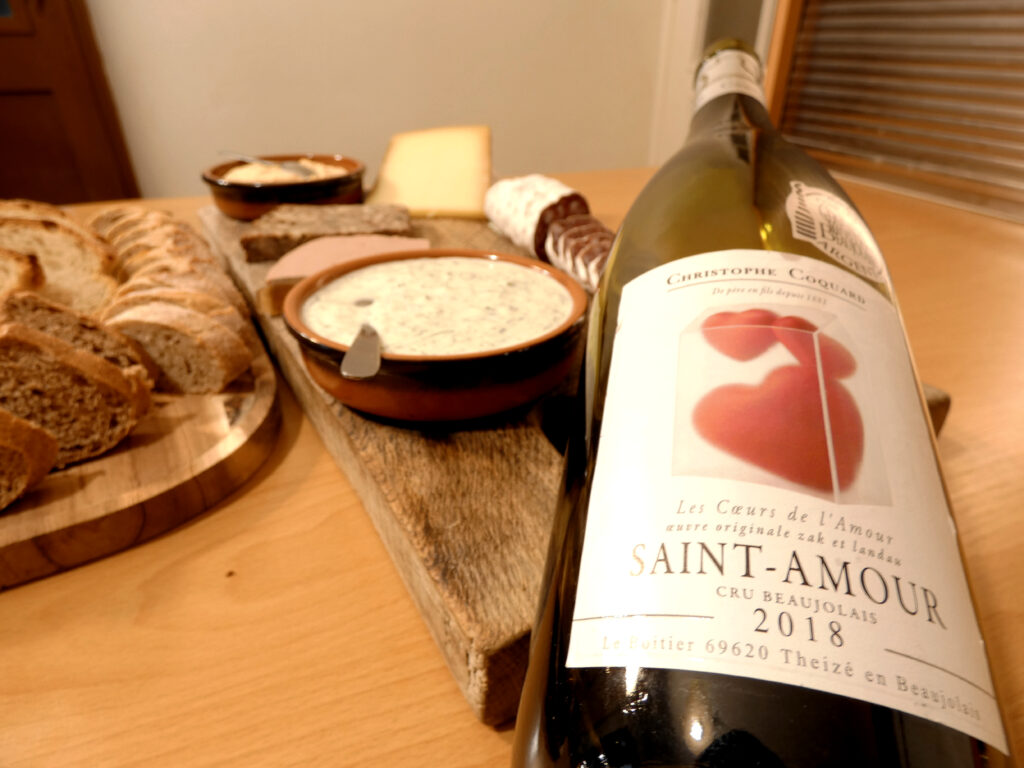
And few places in the world capture that philosophy better than Beaujolais, one of France’s most charming wine regions. They even got a wine called « Holly Love » or Saint-Amour to anchor the lovely experience it brings to our tasting buds.
Located just south of Burgundy, Beaujolais produces wines that are vibrant, expressive, and incredibly easy to love. These wines combine freshness, fruit, and food-friendliness in a way that makes them perfect for everyday meals and relaxed gatherings.
No boring philosophy here, just hugs, smiles, and laught owing to friendly, convivial features of the wine and the gathering it involves as the world wide day of Beaujolais Nouveau. This special moment wine pairs perfectly with Thanksgiving turkey and signs herefore its natural ability to gather everybody around the table.
Unlike some famous regions that emphasize prestige or complexity, Beaujolais celebrates immediate pleasure.
You don’t need to analyze it. Fruit is just a straight forward and tasteful answer to any questioning.
You simply open the bottle. And let yourself embraced by simple yet charming aromas.
Why Beaujolais Wines Are So Easy to Enjoy
One of the reasons Beaujolais wines are so appealing is their balance between simplicity and character.
These wines deliver a style that many wine lovers find refreshing:
bright fruit flavors
lively acidity
silky texture
moderate alcohol
excellent food compatibility
Fond fruit drop or English candies taste
Charming floral notes
Unlike heavier wines that rely on oak aging or strong tannins, Beaujolais wines focus on pure fruit expression and are often aged in stainless steel vats or even sometimes cements vats to favour its fruit-driven expression.
The result is a wine that feels lively and approachable.
This is also why Beaujolais wines are often described as “dangerously drinkable.”
They are light enough to enjoy easily, yet flavorful enough to remain interesting.
The Heart of Beaujolais: The Gamay Grape
The identity of Beaujolais wines comes from a single grape variety: Gamay Noir à Jus Blanc.
This grape thrives in the region’s granite soils and temperate climate.
Compared with varieties like Cabernet Sauvignon or Syrah, Gamay produces wines that are naturally:
lighter in body
more aromatic
fresher in acidity
softer in tannins
A little less jammy
More energetic and straight forward
Typical flavor notes include:
raspberry
cherry
strawberry
blackcurrant
blackberry
peony
violet
subtle pepper or spice
These characteristics make Gamay wines as light as versatile at the table. Some Sommeliers even recommend to pair it with fish in spite of their red wine identity, as Gamay body and structure is just softly adding a fruity horizon to the dish without overpowering it.
But another winemaking technique also contributes to the unique style of Beaujolais.
Carbonic Maceration: The Technique That Defines Beaujolais
Many Beaujolais wines are produced using a method known as carbonic maceration.
This fermentation technique enhances fruity aromas and produces the vibrant character the region is known for.
It often creates aromatic notes reminiscent of:
fresh fruit syrup
crushed berries
candy-like fruit notes
English sweets or fruit bonbons
banana
toffee
While some critics once dismissed these aromas as simple, modern Beaujolais producers have refined the technique to create wines that are both expressive and elegant.
The result is a style that feels joyful, energetic, and incredibly drinkable.
Understanding the Beaujolais Crus
Beaujolais is often associated with simple wines, but the region actually contains a remarkable diversity of terroirs.
Across its hills and valleys, soils vary dramatically and influence the style of the wines.
Three main soil types dominate the region and gives a terroir expression that covers main wines profiles:
Northern Beaujolais Soils
Granite and sandy soils dominate the northern hills.
These soils produce wines that are often:
more structured
more aromatic
capable of aging
Most of the famous crus are located here.
Southern Beaujolais Soils
Further south, clay and limestone soils create wines that tend to be softer and rounder.
Valley Soils
Clay-silt soils are common in the valleys and produce lighter Beaujolais and Beaujolais-Villages wines.
The 10 Crus of Beaujolais Explained
The top wines of the region come from ten crus, each with its own personality.
For simplicity, many wine lovers group them into three stylistic families.
Light and Floral Crus
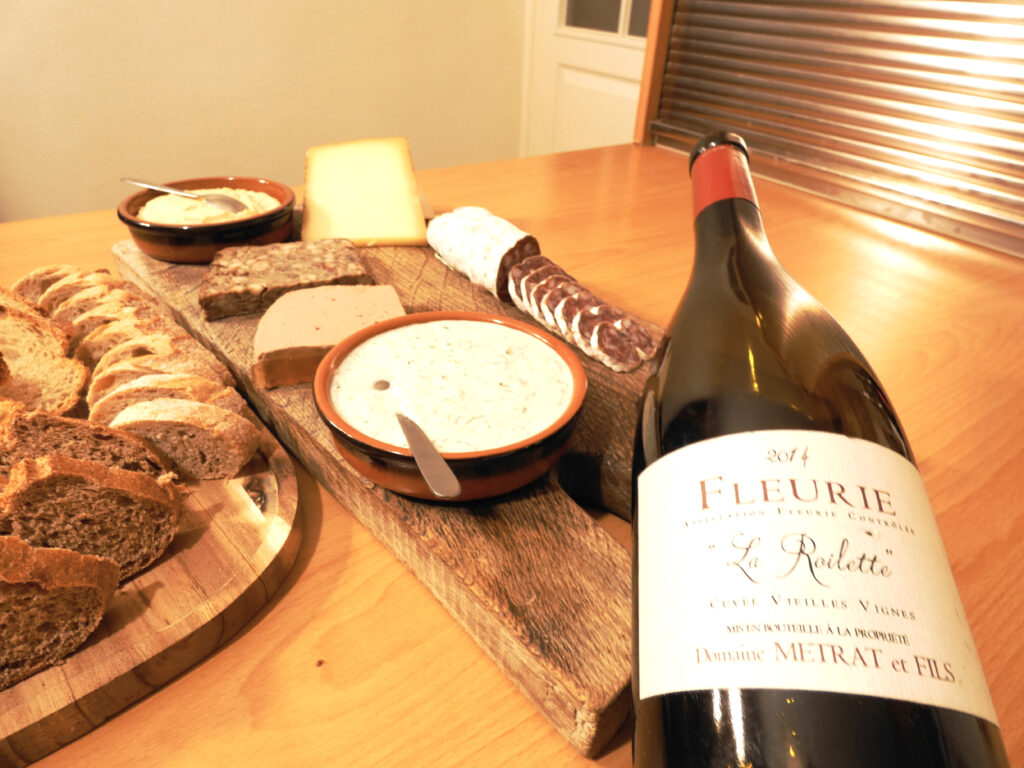
These wines emphasize elegance and delicate aromatics.
Examples include:
Saint-Amour
Fleurie
Chiroubles
These crus often show floral aromas, silky textures, and graceful fruit.
Saint Amour
Fleurie
Chiroubles
Fruity and Velvety Crus
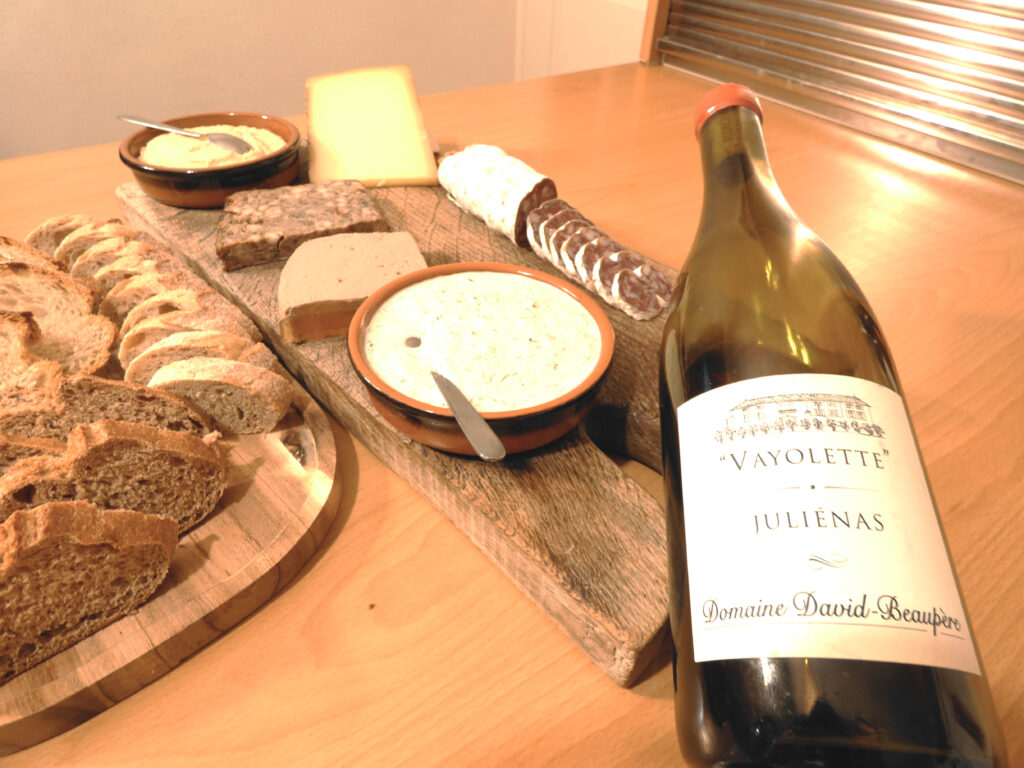
These crus combine generous fruit with smooth textures.
Examples include:
Juliénas
Régnié
Chénas
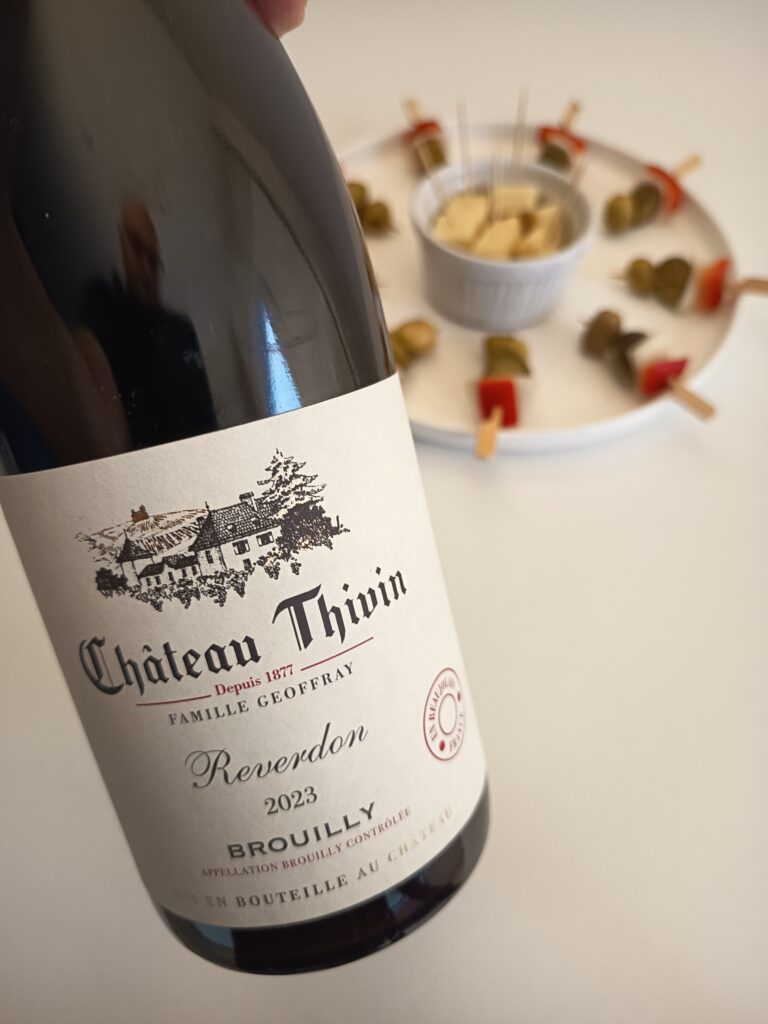
Brouilly (Almost ranking in structure and age worthy crus category)
They remain approachable while offering greater depth.
Structured and Age-worthy Crus
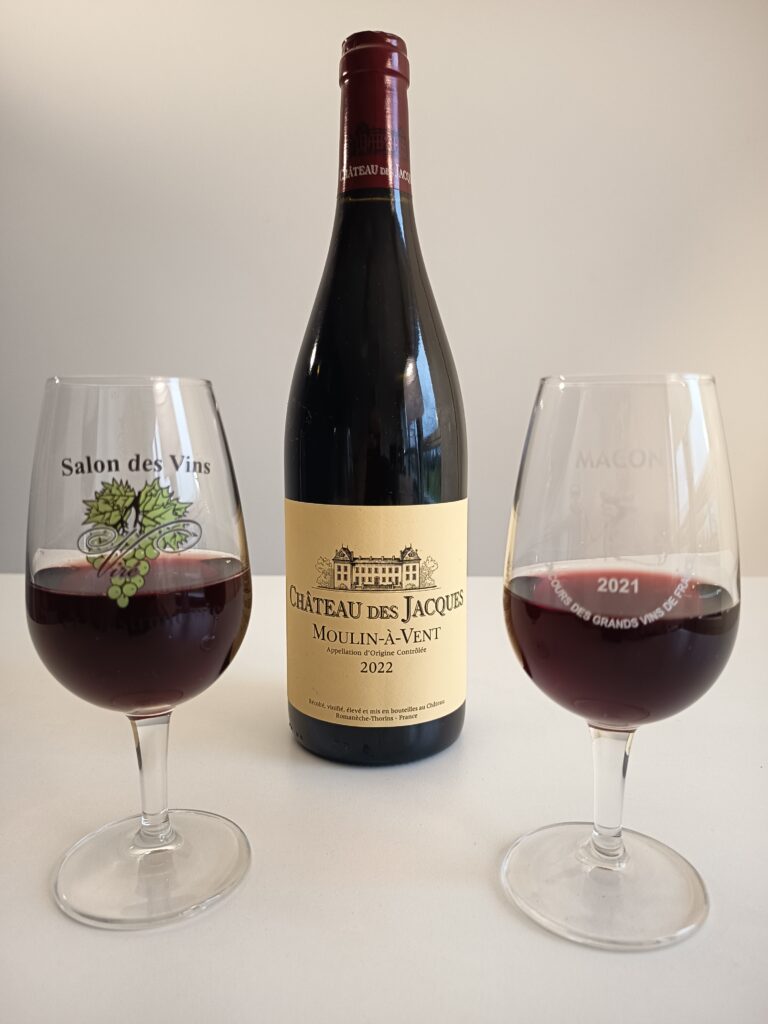
These crus produce the most powerful wines of Beaujolais.
Examples include:
Morgon
Moulin-à-Vent
Côte de Brouilly
These wines can develop complexity with age.
Two Outstanding Beaujolais Wines Worth Discovering
Among the many wines produced in the region, two bottles beautifully illustrate the diversity of Beaujolais.
Both represent classic crus and respected producers.
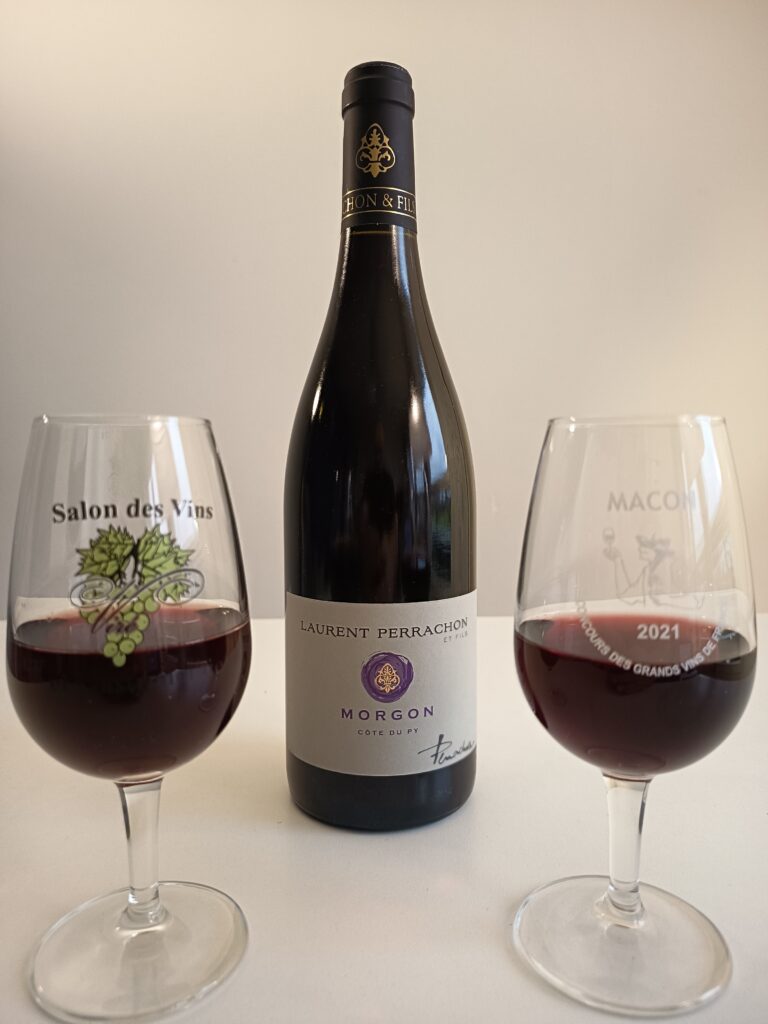
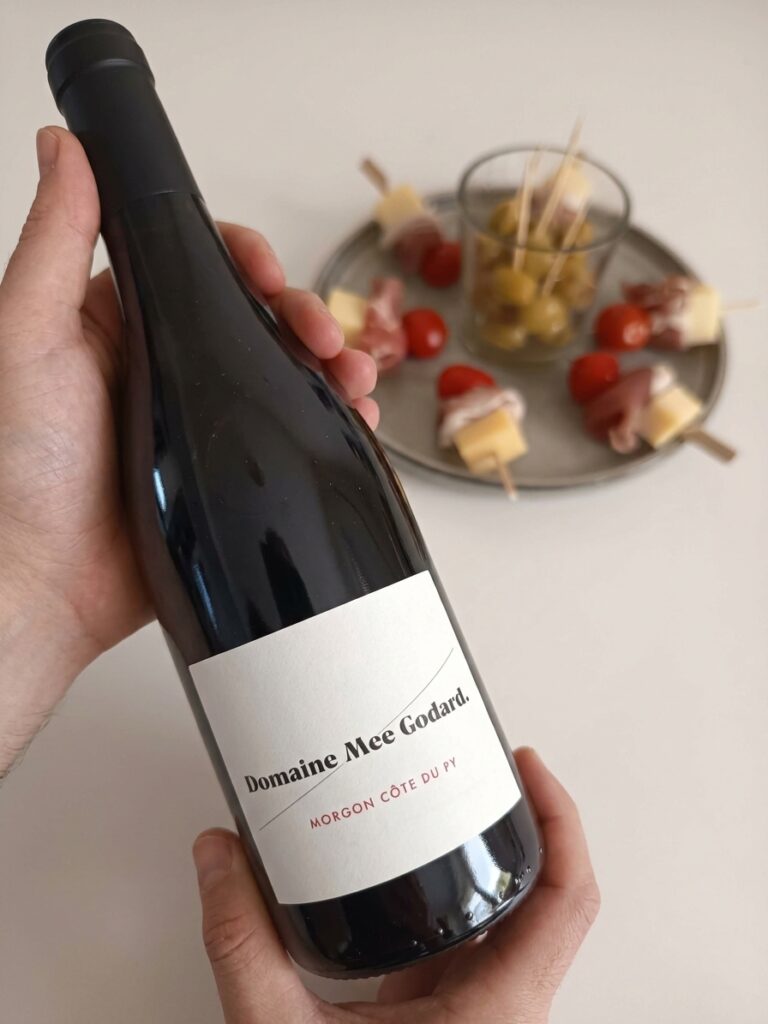
Morgon Côte du Py – Domaine Mee Godard
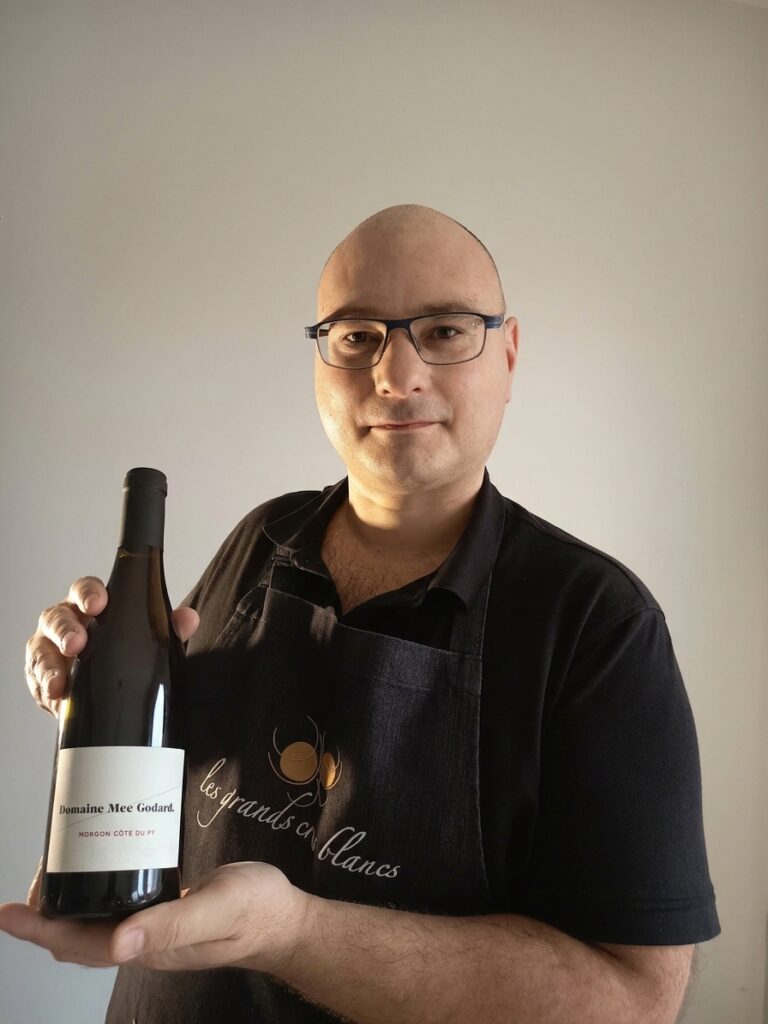
If one wine demonstrates the deeper side of Beaujolais, it is Morgon, particularly from the famous hillside known as Côte du Py.
The soils here contain decomposed schist and iron-rich volcanic rock, which produce wines with greater structure and depth.
Domaine Mee Godard’s interpretation captures this terroir beautifully.
What This Wine Tastes Like
Typical aromas include:
dark cherry
ripe raspberry
plum
light earthy notes
subtle spice
The wine shows silky tannins and a longer finish than most Beaujolais wines.
Best Food Pairings
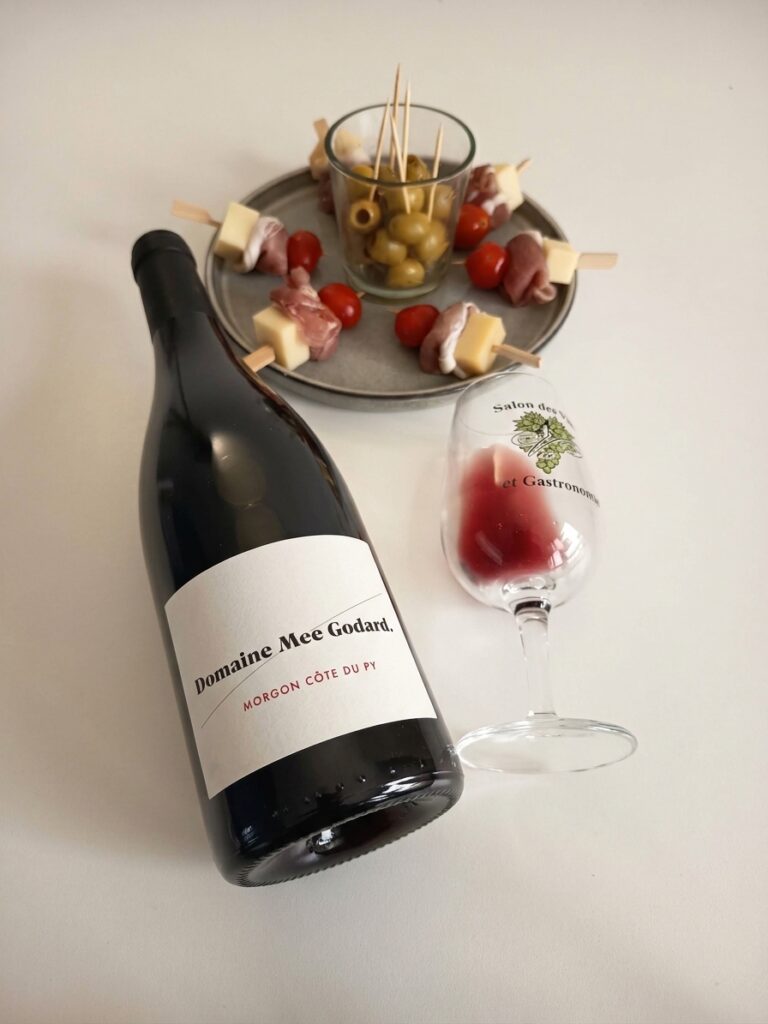
Morgon Côte du Py pairs wonderfully with dishes that have slightly richer flavors:
roast chicken with thyme
grilled pork tenderloin
duck breast with fruit glaze
mushroom dishes
It is a wine that invites you to slow down and enjoy the meal.
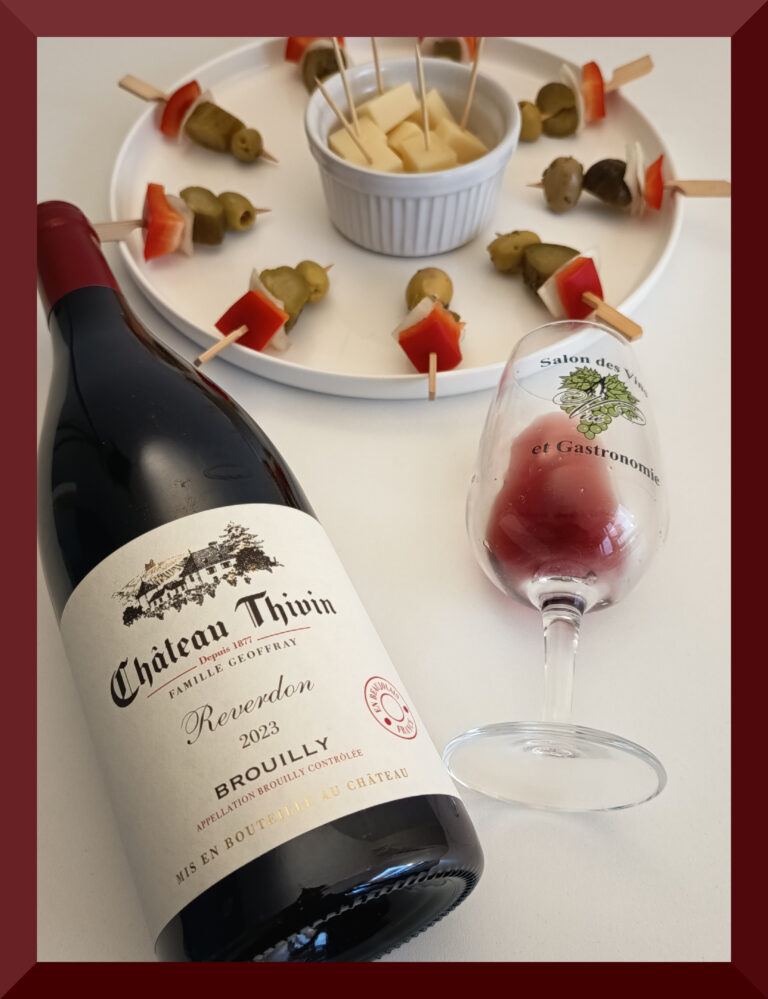
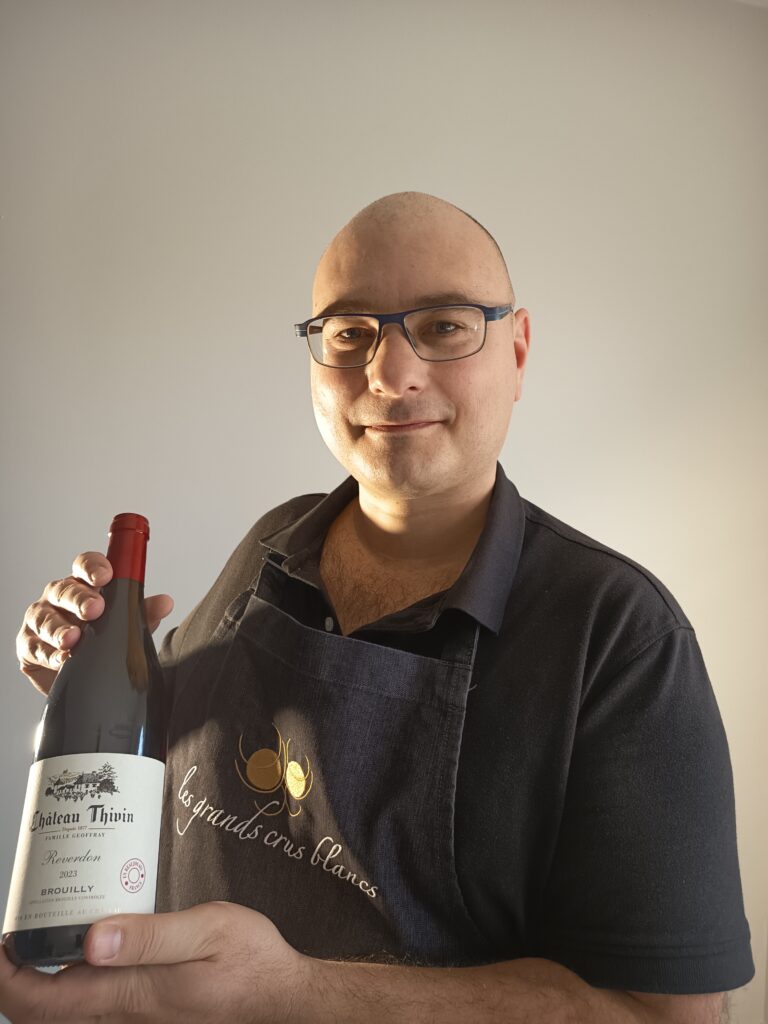
Brouilly “Reverdon” – Château Thivin
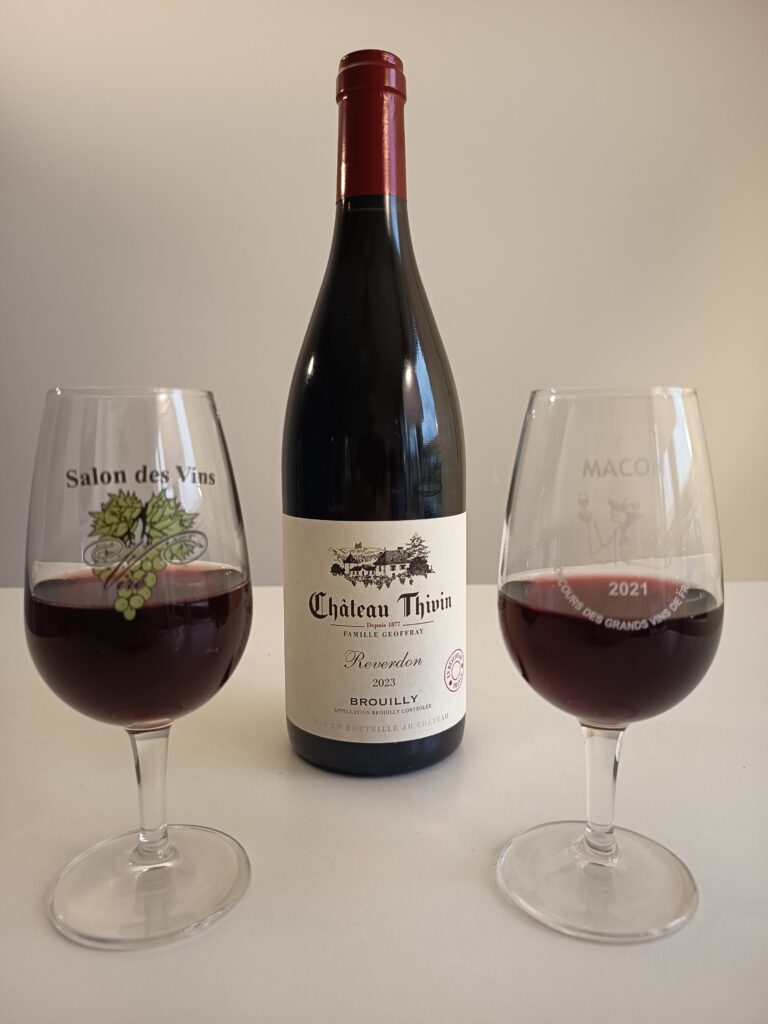
If Morgon represents the more serious side of Beaujolais, Brouilly captures its most joyful personality.
Brouilly is the largest cru in the region and often the most immediately approachable.
Château Thivin is one of the historic producers of the area.
Their Reverdon cuvée is a perfect example of classic Brouilly style.
What to Expect in the Glass
This wine typically reveals:
wild strawberry
red currant
violet
soft tannins
bright acidity
The result is a wine that feels fresh, elegant, and incredibly drinkable.
Perfect Pairings

Brouilly works beautifully for relaxed meals:
charcuterie boards
grilled vegetables
tomato salads
simple pasta dishes
It can even be served slightly chilled in warm weather.
Beaujolais and the Culture of Simple French Food
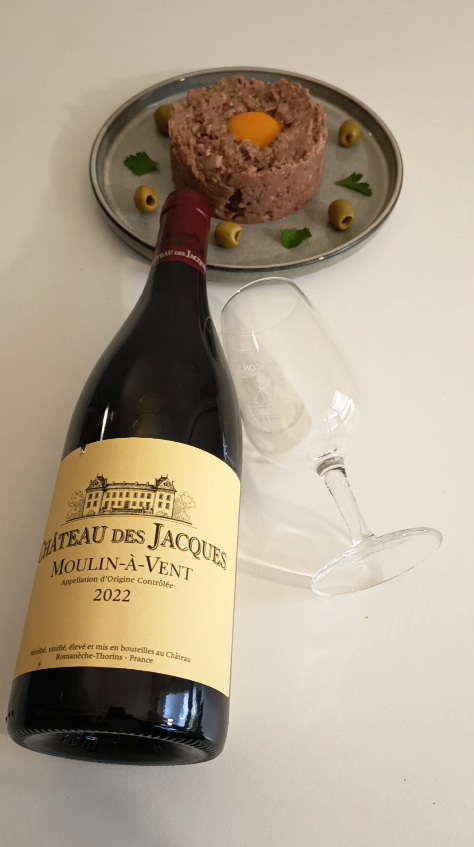
One of the reasons Beaujolais wines feel so natural at the table is their connection to the nearby city of Lyon.
Lyon is widely considered the gastronomic capital of France.
The region’s traditional restaurants, known as bouchons, celebrate rustic and generous cooking.
Typical dishes include:
saucisson brioche
charcuterie platters
roasted meats
eggs cooked in wine sauce
herb cheeses
These dishes are rich in flavor but simple in preparation.
Beaujolais wines were historically made to accompany exactly this kind of food.
Their lively acidity refreshes the palate, while their fruit complements savory flavors.
Two Classic French Recipes That Pair Perfectly with Beaujolais
If you want to experience Beaujolais the way locals do, try pairing these wines with traditional dishes from the Lyon region.
Oeufs en Meurette (Eggs in Red Wine Sauce)
This iconic dish from Burgundy and Lyon features poached eggs served in a rich red wine sauce made with onions, bacon, and herbs.
Why It Works with Beaujolais
The wine-based sauce echoes the flavors of the Beaujolais itself.
A Brouilly keeps the dish fresh, while a Morgon adds depth and structure.
Serve the dish with toasted bread rubbed with garlic for a truly authentic experience.
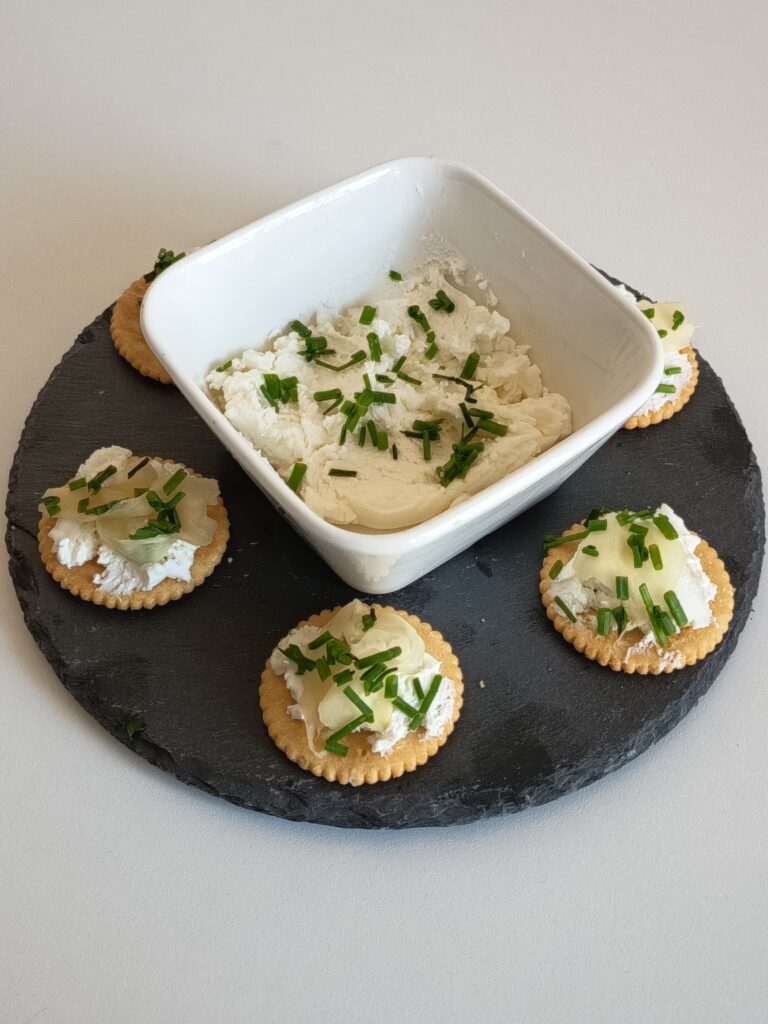
Cervelle de Canut (Lyonnais Fresh Herb Cheese)
Despite the unusual name, this dish is simply a fresh cheese spread mixed with herbs, shallots, olive oil, vinegar, and seasoning.
It is typically served with bread as an appetizer.
Why It Works with Beaujolais
The bright acidity and fresh herbs pair beautifully with the vibrant fruit of Beaujolais wines.
A glass of Brouilly alongside this dish creates the perfect aperitif moment.
Why Beaujolais Wines Are Great for Online Wine Shopping
Buying wine online can sometimes feel overwhelming.
There are thousands of bottles to choose from and quality levels can vary widely.
Beaujolais simplifies this process.
Cru Beaujolais wines offer several advantages :
- Reliable style
They consistently deliver freshness and balance. - Food-friendly character
They pair easily with many dishes. - Moderate alcohol levels
They remain easy to drink throughout a meal. - Excellent value
Compared with neighboring Burgundy, Beaujolais wines remain very affordable.
For these reasons, bottles like Morgon Côte du Py by Laurent Perrachon and Brouilly Reverdon by Château Thivin are excellent starting points when exploring the region.
Should You Drink Beaujolais Young or Age It?
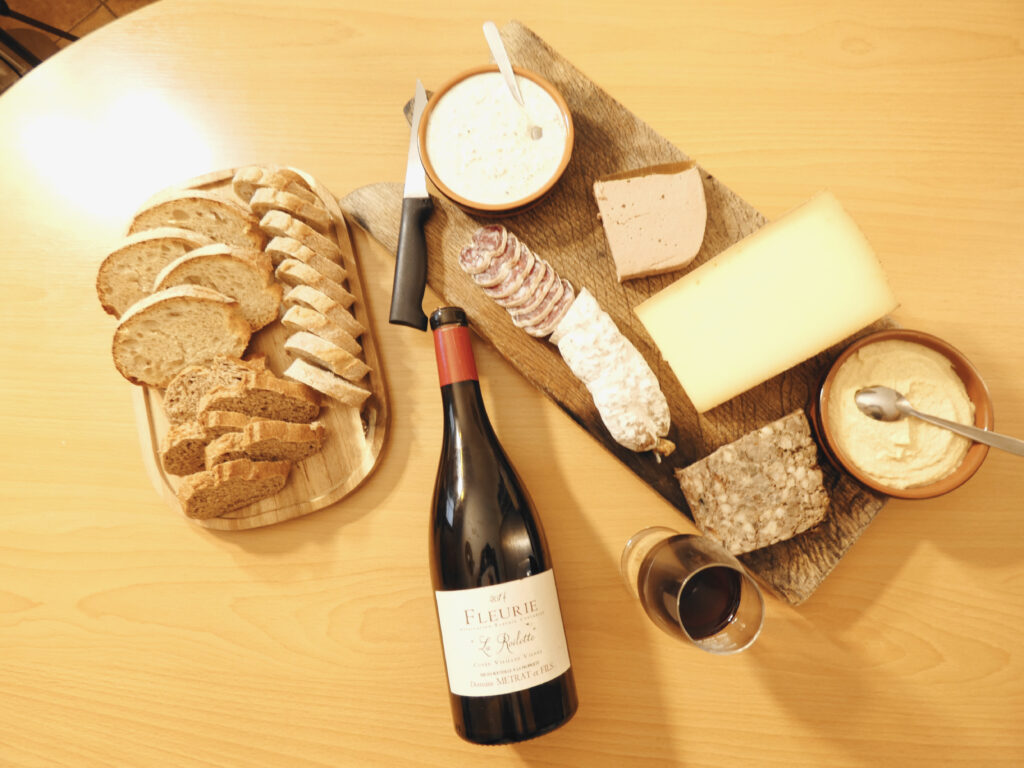
Another advantage of Beaujolais wines is their versatility.
Some wines are meant for immediate enjoyment like Fleurie, Saint Amour and Chiroubles. While others can age beautifully like Moulin à Vent, Côtes De Brouilly and Morgon. This is a main frame thumb rule, but more precisely this aging ability resides is the extraction phasis of wine crafting. Beaujolais wines that remained more than 12 days initially macerating with the must will tend to age more graciously.
Wines to Drink Young
Brouilly or other Beaujolais Crus as Fleurie, Saint Amour, Chénas wines are often best enjoyed within a few years of release.
They are vibrant, fruity, and refreshing.
Wines That Can Age
Morgon, Côtes de Brouilly and Moulin-à-Vent often develop additional complexity over time.
With a few years of aging, they can reveal deeper flavors and earthy notes.
Understanding this difference helps you decide which bottle fits your needs.
Sometimes you want a wine to open tonight.
Other times, you might want a bottle that evolves over time.
Why Beaujolais Deserves More Attention
For many years, Beaujolais was overshadowed by its famous neighbor Burgundy.
But today, wine lovers around the world are rediscovering the region.
Several factors explain this renewed interest:
modern winemaking techniques
improved vineyard practices
a new generation of passionate producers
growing interest in lighter, fresher wines
As global tastes shift toward more drinkable styles, Beaujolais feels more relevant than ever.
The True Spirit of Beaujolais
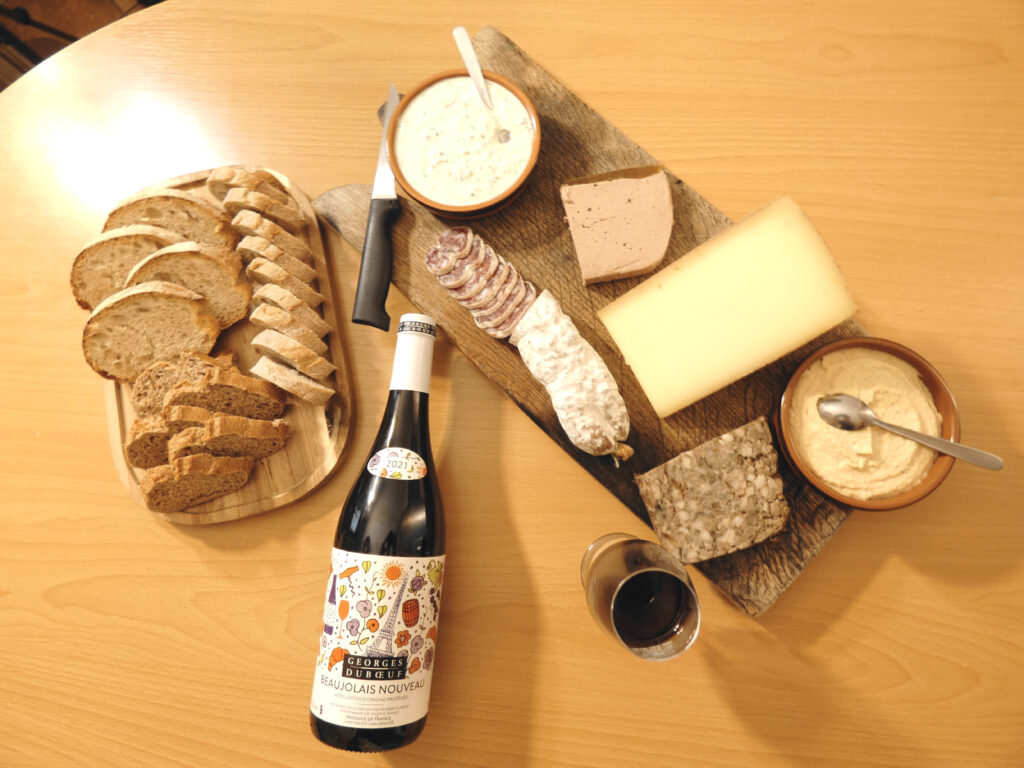
Ultimately, Beaujolais is about more than wine.
It represents a way of enjoying life.
Meals are generous.
Wines are shared.
Conversations last longer than expected.
There is no need for complexity or ceremony.
Just good food, good friends, and a bottle on the table.
Whether you choose the structured depth of Morgon Côte du Py or the joyful freshness of Brouilly Reverdon, you are discovering wines that celebrate conviviality and authenticity.
Open the bottle.
Pour a glass.
And enjoy one of France’s most welcoming wine traditions.
Where to Buy the Best Beaujolais Wines Online

Morgon Côte du Py – Laurent Perrachon → Wine.com for a 2023 vintage awarded a higher than 90/100 grade by James Suckling and Jasper Morris.
Brouilly Reverdon – Château Thivin → Wine.com for a 2023 vintage awarded a higher then 90/100 grade by James Suckling and Robert Parker.
Explore more Cru Beaujolais wines → Wine.com for a genuine and hight end wine selection of Gamay varietal
Wine List | Style & Taste | Best When | Best For | Price Range | Link for Availability | Last Check |
Morgon Côte Du Py by Domaine Mee Godard | Fruity / Velvety / Racy | Dinner and treat with family and close friends | Fruity wines lovers that don't compromise on depth and structural finesse | Under 60$ | 09 / 03 / 2026 | |
Brouilly Cuvée Reverdon by Chateau Thivin | Fruity / Velvety / Elegant | Impromptu "Knock at the door" hangout | Stress-free hosting with fruit and floral intensity and a smooth structure | Under 35$ | 09 / 01 / 2026 | |
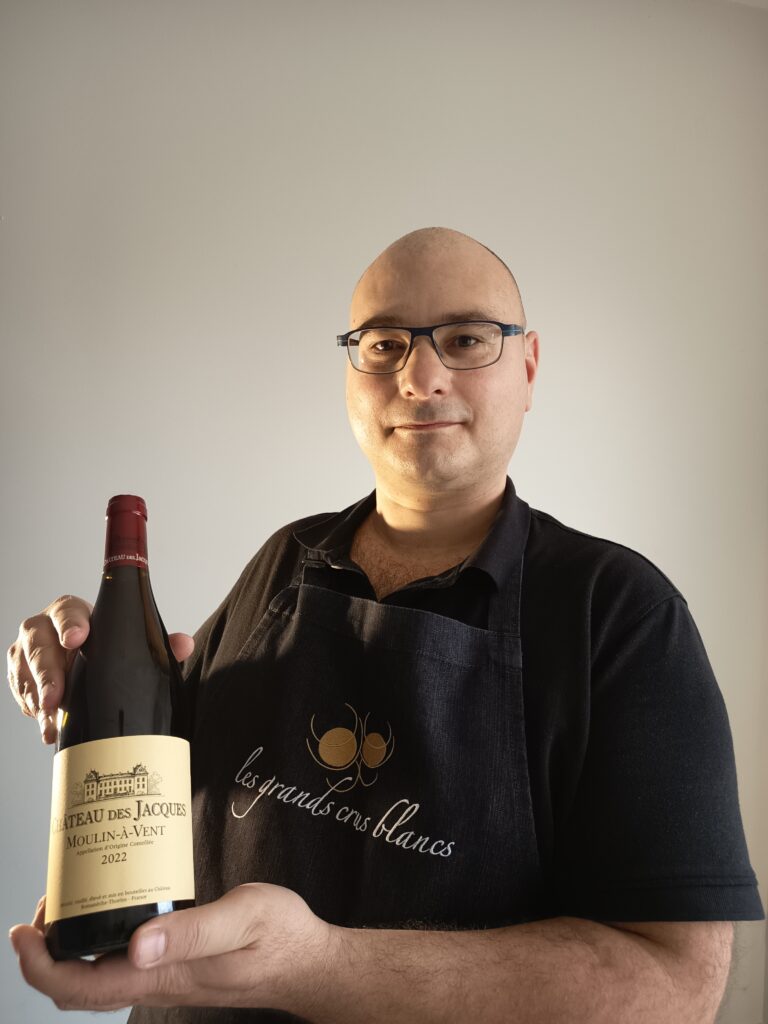
Moulin-à-Vent by Louis Jadot's Chateau des Jacques | Strucutred / Age-Worhty / Burgundy Elegance | Thanksgiving hostess gift | Wine geeks who wants to share memorable tasting moments - Best value for money | Under 30$ | 09 / 01 / 2026 |
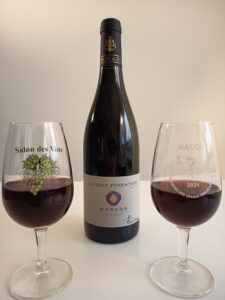
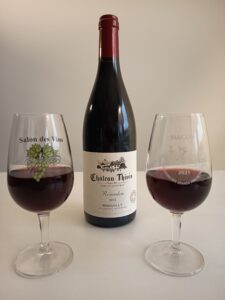
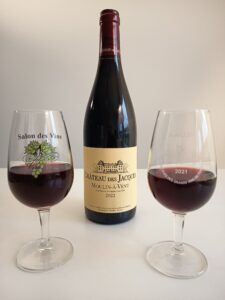
Morgon Côtes Du Py by Laurent Perrachon
Brouilly Cuvée Reverdon by Chateau Thivin
Moulin-à-vent by Chateau des Jacques
FAQ: Beaujolais Wines
What makes Beaujolais wines different from Burgundy?
Beaujolais wines are primarily made from the Gamay grape, while Burgundy wines are mostly produced from Pinot Noir or Chardonnay. Beaujolais wines tend to be lighter, fruitier, and more immediately approachable.
Are Beaujolais wines good for beginners?
Yes. Their fresh fruit flavors, moderate tannins, and balanced acidity make them some of the most accessible French wines.
Should Beaujolais be served chilled?
Many Beaujolais wines can benefit from slight chilling (around 12-14°C / 54-57°F), especially lighter crus like Brouilly.
What food pairs best with Beaujolais?
Beaujolais wines pair beautifully with charcuterie, roast chicken, grilled vegetables, mushroom dishes, and classic French bistro cuisine. Cold starters are also a really good pairing option.
Final Thoughts: Simple Wine, True Pleasure
In a world where wine can sometimes feel intimidating, Beaujolais offers something refreshing.
Simplicity.
Authenticity.
Pleasure.
These wines remind us that the best bottles are often the ones that make everything around the table feel easier.
And sometimes, that is exactly what we need. Wine.com understands and conveys this easy but tasty wine philosophy, through its Beaujolais wines selection. And you can find the matching wines on their website.
Your French Wine Concierge in Your Inbox
Take your table to the next level. No jargon, no snobbery : just flavor and confidence.
- Hand-picked French bottles available in the U.S
- Effortless restaurant-level recipes and pairings
- Simple ideas for memorable emotions
Welcome In this French Wine & Food Notes Mailing
Thanks for joining the Foodie Tasting Community
I’d like to receive newsletters & inspiration
No Spam. You can unsubscribe anytime.